

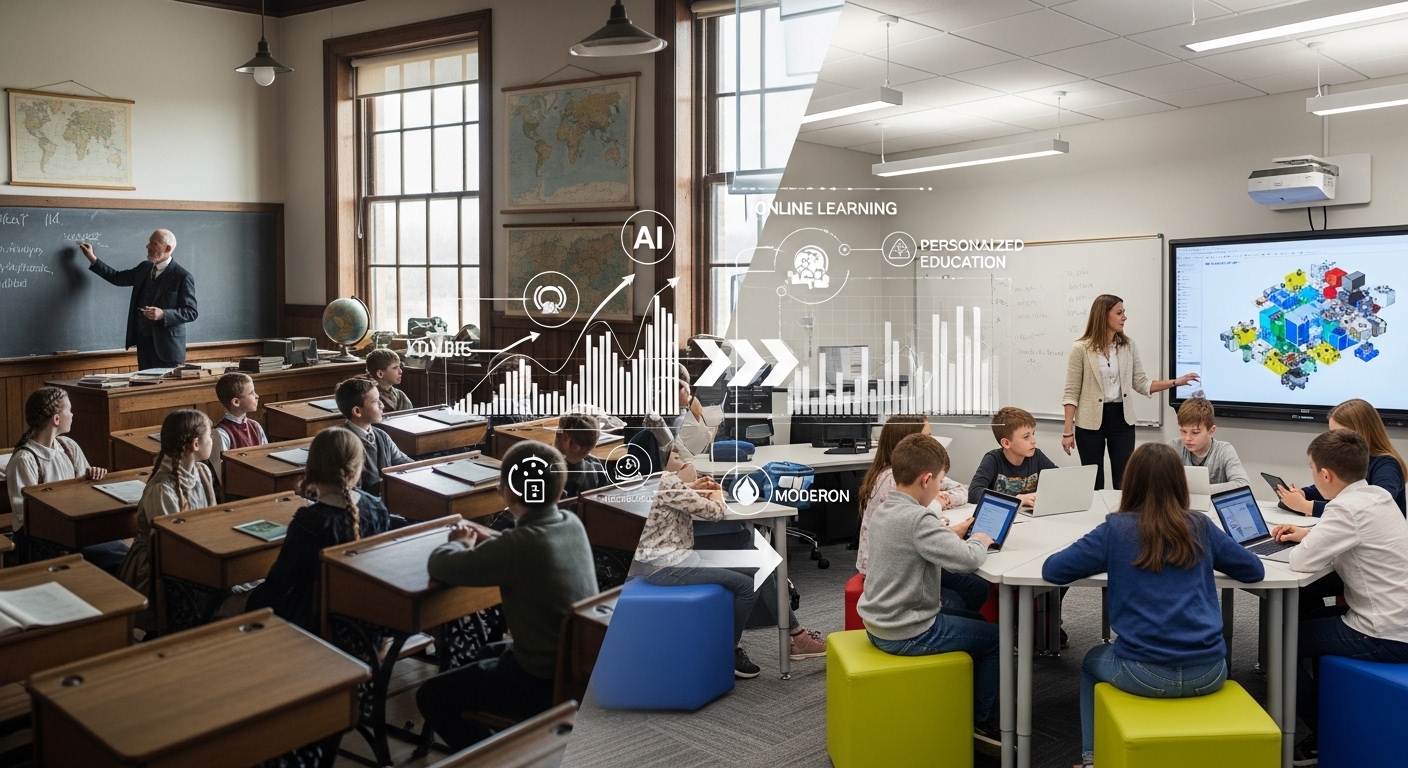
Technology is transforming the education system faster than ever before, changing how students learn, how teachers teach, and how institutions operate. From artificial intelligence to online learning platforms, digital tools are making education more accessible, personalized, and efficient. This shift is helping learners gain knowledge anytime and anywhere while improving teaching quality and academic performance across the world.
Digital Classrooms Transformation
Smart Classroom Integration
Smart classrooms use interactive boards, digital projectors, and online tools to make learning more engaging and effective. Teachers can explain complex topics visually, improving student understanding. This modern setup encourages participation, enhances focus, and creates a more dynamic learning environment compared to traditional classrooms.
Virtual Learning Environments
Virtual learning environments allow students to attend classes online from any location. These platforms provide recorded lectures, live sessions, and interactive materials. This flexibility helps learners study at their own pace while maintaining access to quality education without geographical limitations.
Hybrid Education Models
Hybrid education combines physical classroom learning with online instruction. Students benefit from both face to face interaction and digital flexibility. This model improves accessibility, supports diverse learning styles, and ensures continuity of education even during disruptions or emergencies.
Cloud Based Learning Systems
Cloud based systems store educational resources online, making them accessible anytime. Students and teachers can easily share assignments, notes, and projects. This improves collaboration, reduces paperwork, and ensures smooth academic management across institutions.
Interactive Digital Content
Interactive content such as videos, animations, and simulations makes learning more engaging. Students understand difficult concepts better through visual and practical examples. This approach increases motivation and improves long term knowledge retention.
Artificial Intelligence in Education
Personalized Learning Systems
AI powered systems analyze student performance and create personalized learning paths. This helps learners focus on weak areas and progress at their own speed. It improves academic results by offering customized support for each student.
AI Tutors and Assistants
AI tutors provide instant explanations, solve doubts, and guide students anytime. These tools act as virtual assistants that support learning outside the classroom, making education more accessible and continuous.
Automated Grading Systems
Automated grading reduces teachers’ workload by evaluating assignments and exams quickly. It ensures faster results, reduces errors, and allows educators to focus more on teaching and student interaction.
Predictive Performance Analysis
AI can predict student performance by analyzing learning patterns. This helps teachers identify struggling students early and provide timely support, improving overall academic success rates.
Language Translation Tools
AI translation tools break language barriers in education. Students can access learning materials in different languages, making global education more inclusive and accessible.
Online Learning Platforms Growth
E Learning Accessibility
E learning platforms provide access to education for students worldwide. Anyone with internet access can learn new skills, making education more democratic and flexible.
Massive Open Online Courses
MOOCs offer high quality courses from top universities online. Students can learn professional skills at low or no cost, increasing educational opportunities globally.
Skill Based Learning Platforms
Skill based platforms focus on practical learning such as coding, design, and business. These platforms help students prepare for real world careers effectively.
Video Based Education Systems
Video based learning makes education more engaging and easier to understand. Students can replay lessons anytime, improving comprehension and retention.
Certification Programs Online
Online certification programs help learners gain recognized qualifications. These certificates improve job opportunities and career advancement prospects.
Communication and Collaboration Tools
Digital Classroom Communication
Digital tools allow teachers and students to communicate instantly through messaging, emails, and apps. This improves interaction and academic support.
Group Project Platforms
Online collaboration platforms help students work together on projects remotely. They improve teamwork skills and project management abilities.
Video Conferencing Education
Video conferencing tools enable live classes and discussions. Students can interact with teachers in real time from any location.
Learning Management Systems
LMS platforms organize courses, assignments, and assessments in one place. They simplify academic management for both students and teachers.
File Sharing and Storage Tools
Cloud storage systems make it easy to share and access educational files. This improves efficiency and reduces dependency on physical materials.
Skill Development and Modern Learning
Digital Skill Training
Digital tools help students learn modern skills like coding, marketing, and data analysis. These skills are essential for future careers.
Creative Learning Tools
Creative tools encourage students to design, innovate, and think critically. This improves problem solving abilities and creativity.
Gamified Education Systems
Gamification uses games and rewards to make learning fun and engaging. It increases motivation and participation in studies.
Virtual Labs and Simulations
Virtual labs allow students to perform experiments online. This is especially useful for science and technical subjects.
Career Oriented Learning
Technology enables career focused education, helping students prepare for real job markets with practical knowledge and training.
Accessibility and Inclusive Education
Remote Learning Opportunities
Remote learning allows students from rural or distant areas to access quality education easily through online platforms.
Assistive Learning Technologies
Assistive tools help students with disabilities learn effectively through speech to text, screen readers, and adaptive systems.
Affordable Education Access
Online education reduces costs by eliminating travel and infrastructure expenses, making learning more affordable for many students.
Global Classroom Connections
Students can connect with peers worldwide, encouraging cultural exchange and global understanding through digital classrooms.
Flexible Learning Schedules
Flexible schedules allow students to study at their own pace, balancing education with personal responsibilities.
Future of Education Technology
AI Driven Education Systems
Future education will rely heavily on AI systems that fully personalize learning experiences and automate administrative tasks.
Metaverse Learning Spaces
Virtual reality and metaverse classrooms will create immersive learning environments for interactive education experiences.
Blockchain Certification Systems
Blockchain will secure academic records and certificates, making them tamper proof and globally verifiable.
Robotics in Education
Robots will assist in teaching, training, and classroom interaction, especially in technical and science education.
Data Driven Education Planning
Institutions will use data analytics to improve teaching methods, curriculum design, and student performance outcomes.
FAQs
How is technology improving education?
Technology makes learning more accessible, interactive, and personalized for students worldwide.
What is the role of AI in education?
AI helps in personalized learning, grading, tutoring, and performance analysis.
Are online classes effective?
Yes, online classes are effective when used with proper discipline and engagement.
What is a smart classroom?
A smart classroom uses digital tools to enhance teaching and learning experiences.
Will technology replace teachers?
No, technology supports teachers but cannot fully replace human guidance and interaction.
Conclusion
Technology is completely reshaping the education system by making learning more flexible, interactive, and accessible. From AI powered tools to online platforms and virtual classrooms, students now have better opportunities to learn and grow. This digital transformation is improving education quality and preparing learners for a more advanced and technology driven future.
